The relationship between product photography and conversion rate is one of the most studied areas in ecommerce. The findings are consistent and compelling:
The implication: among all the things you could optimise on your product pages — copy, price, social proof, CTA design — photography has the highest ROI.
The single most actionable finding in conversion photography research is the relationship between image count and conversion rate:
| Images per listing | Relative conversion rate |
|---|---|
| 1 image | Baseline |
| 2–3 images | +40–60% vs. baseline |
| 4–6 images | +70–100% vs. baseline |
| 7+ images | +100–120% vs. baseline |
These numbers don't mean you should add irrelevant filler images. Each additional image should serve a purpose: a different angle, a detail shot, a lifestyle context, a size reference, or a comparison. Purposeless images add noise and reduce signal quality.
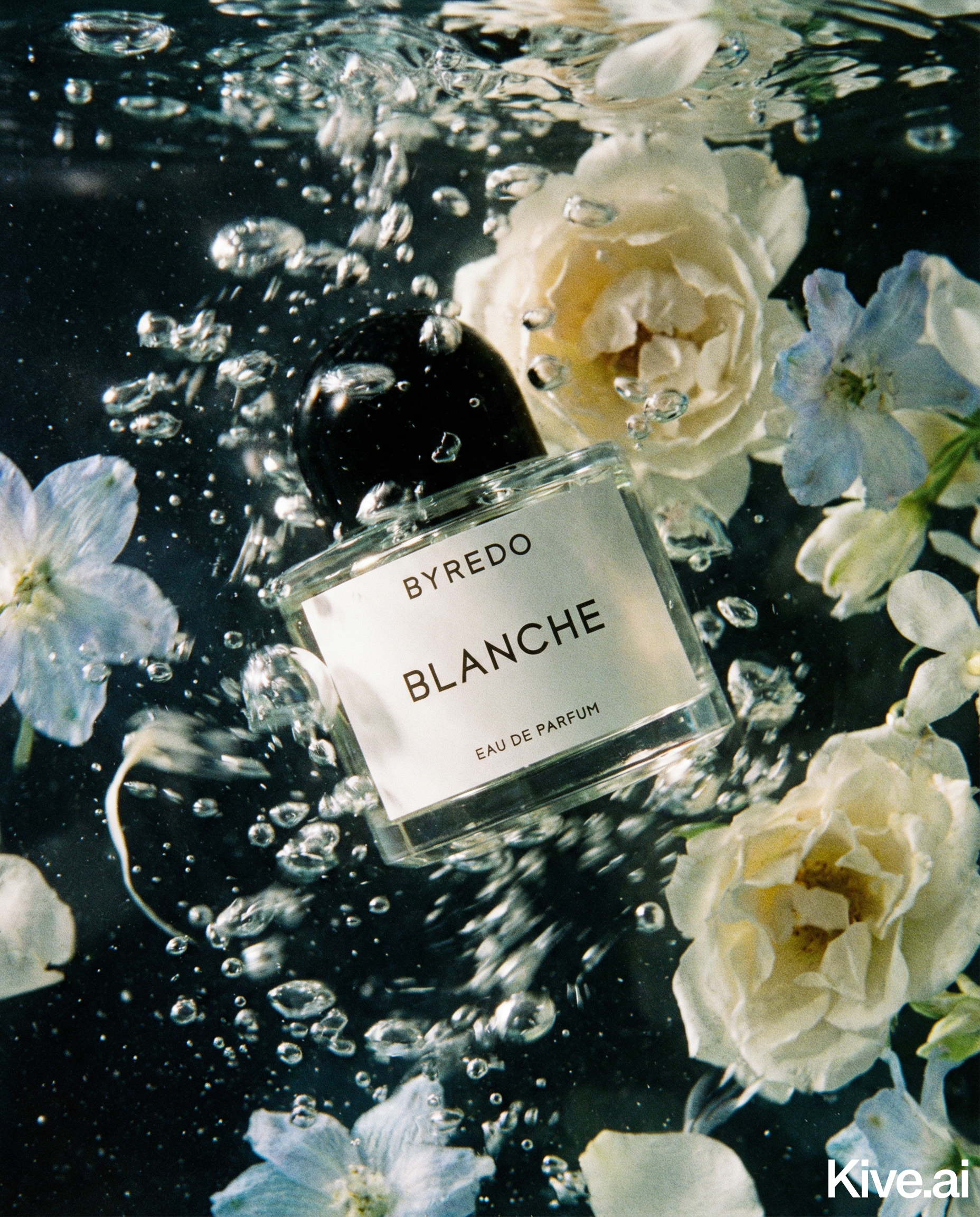
Image quality is a price anchor. When a product is photographed poorly — wrong lighting, inconsistent background, amateur composition — buyers subconsciously lower their estimate of the product's value. They resist paying full price because the image hasn't justified it.
This is why premium brands invest so heavily in photography. The image does the price-justification work before the buyer reads the price. A product photographed on marble with precise, soft lighting feels worth $150. The same product photographed against a crumpled white sheet feels worth $25.
The psychological mechanism: buyers use image quality as a proxy for product quality. If you can't be bothered to photograph your product well, why would they trust that you've made it well?
The implication for Shopify stores: investing in better photography is an investment in your ability to sell at full price. Lower image quality = more discount pressure.
The background of a product image communicates something to the buyer — even when they're not consciously aware of it:
Sellable's platform turns a single product photo into studio-quality images, cinematic video, and on-brand campaigns — generated, refined on the canvas, and published straight to your store.
Research on background choice is consistent: for most ecommerce categories, lifestyle context outperforms white backgrounds on DTC conversion metrics. White backgrounds are preferred on marketplaces (Amazon) where category norms make lifestyle images feel out of place.
The ability to zoom into product images reduces a specific purchase barrier: uncertainty about product quality at the material level. Buyers who can examine stitching, grain, texture, and finish are less worried about receiving something that doesn't match their expectations.
Key data points: - Products with zoom-enabled images see 20–30% lower return rates - High-resolution images that support 3–4× zoom reduce support queries about product details - Close-up detail images (a separate shot focused on a specific material or feature) drive significant conversion uplift for premium products
Technical requirement: zoom typically requires a minimum 2000px image on the short side. Images uploaded at less than this resolution cannot support quality zoom at full display size.
A conversion-optimised product image strategy has four layers:
Most stores are deficient on at least 2 of these 4 layers. Sellable addresses all four simultaneously — generating multiple images per product, at the correct resolution, in lifestyle contexts, with a consistent style preset applied across the catalogue.
Sign up for free and transform your product photography with Sellable.
Get started for free